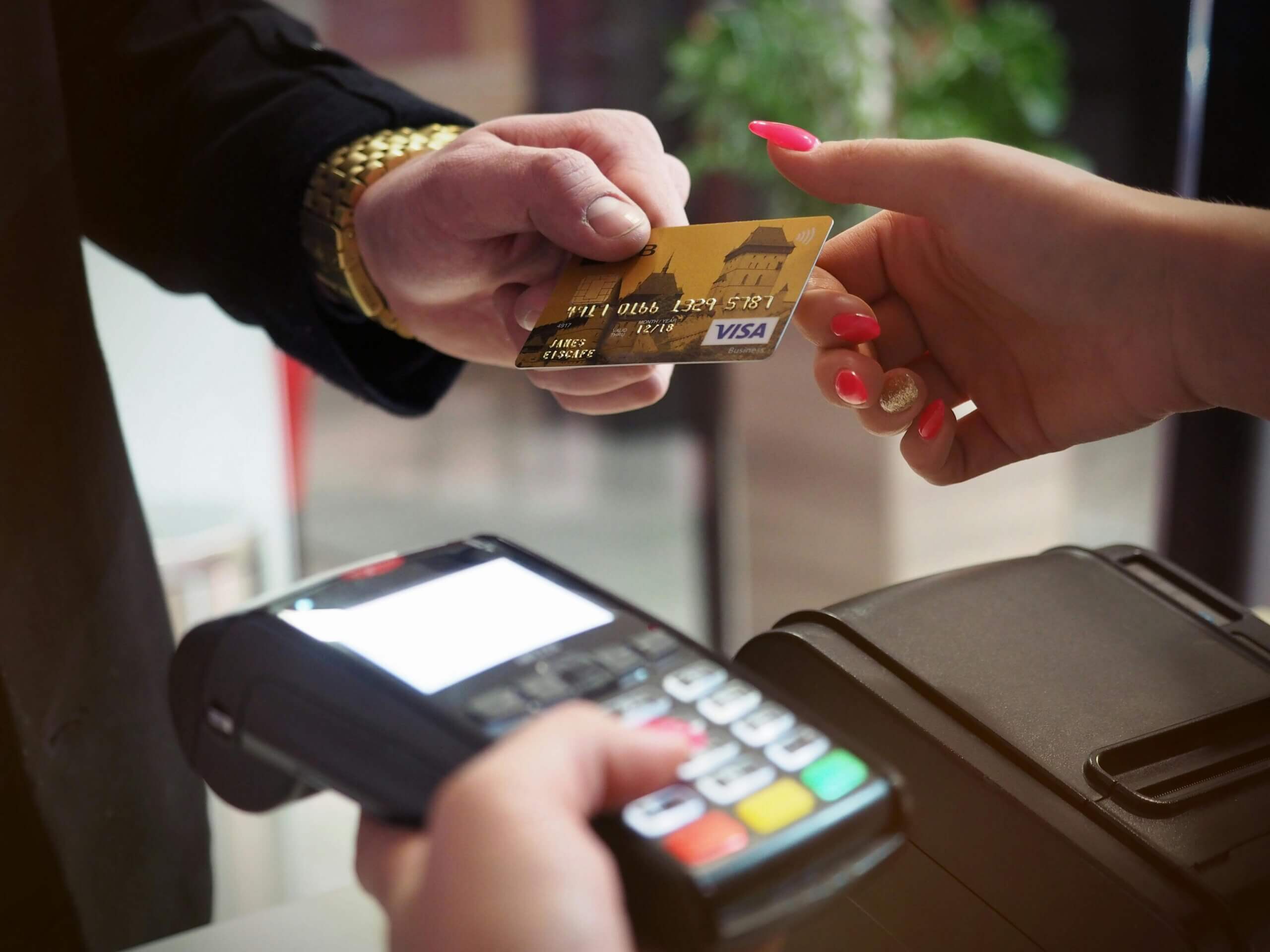
When you’re planning a business trip, payment is one of those details that either runs smoothly or creates friction at every step. From booking flights to checking into your accommodation, how you pay shapes the entire experience.
That’s why more companies are asking a simple question: are virtual business credit cards better for corporate travel?
At Compass Furnished Apartments, we work closely with corporate travelers, travel managers, and relocation teams across Massachusetts, Connecticut, and New York. We’ve seen how payment methods impact everything from check-in to expense reporting. Virtual cards are becoming more common, but they are not a one-size-fits-all solution.
Let’s break down how they work and when they make sense.

What is a virtual business credit card?
A virtual business credit card is a digital card number created for a specific transaction or purpose. Unlike a physical card, it doesn’t exist in your wallet, it lives inside your booking or expense platform.
Companies can issue virtual corporate cards for a single use or limit them by vendor, amount, or timeframe. For example, a travel manager might create a card that only works for a hotel stay in Boston and caps the total spend.
These digital business credit cards often connect directly to corporate travel payments systems or expense tools, which means transactions are tracked in real time and tied to a specific trip or booking.
Why virtual cards are growing in corporate travel
Corporate travel looks different than it did a few years ago. Teams are more distributed, trips are more frequent and often shorter, and at the same time, companies face tighter budgets and higher expectations around accountability.
Virtual cards help solve a few of these challenges. They give finance teams better control over spend before a trip even begins, and they support cleaner business travel expense management by linking each payment to a booking or traveler.
Another factor is speed. With virtual cards, there’s no need to wait for a physical card to arrive. A company can issue a card instantly for a last-minute trip or an urgent booking.
As more companies invest in corporate travel policy tools and travel expense automation, virtual cards fit naturally into that system.
Talk to our team about housing options that simplify travel logistics.

Key benefits for corporate travelers and companies
Virtual cards offer clear advantages, especially for planned travel.
Better security
Each transaction uses a unique card number which reduces fraud risk and limits exposure if a number is compromised. Compared to a traditional corporate card vs virtual card setup, the virtual option is more controlled.
More control
Travel managers can set spending limits before the trip starts, which includes total amount, approved vendors, and timeframes. This keeps corporate travel payments aligned with policy.
Faster expense tracking
Because virtual cards are tied to bookings, transactions are recorded automatically, which reduces manual work and improves travel expense automation.
No out-of-pocket costs
Employees do not need to use personal cards or wait for business travel reimbursements, which is much more convienent, especially for longer or more expensive trips.
Instant access
Cards are created on demand, so there’s no delay, no shipping, and no risk of a traveler forgetting a card at home.
Where traditional corporate cards still make sense
Virtual cards work well for planned expenses, but they don’t fit every situation.
Business travel includes small, unpredictable purchases like meals, taxis, or last-minute changes. In these moments, a physical corporate card is easier. You can pay quickly without setting up a new card or waiting for approval.
There are also cases where pre-approval is not possible. A traveler might need to cover an unexpected cost on the spot. A traditional card gives them that flexibility.
Here’s how they compare in real use:
For hotel bookings, virtual cards give companies more control over spending. Physical cards offer less control but still work when plans change.
For meals and day-to-day expenses, virtual cards can feel restrictive. Physical cards are simpler for quick, on-the-go use.
For security, virtual cards reduce fraud risk since they are often single-use or limited. Physical cards carry more risk if they are lost or shared.
For expense tracking, virtual cards feed directly into systems and automate reporting. Physical cards often rely on manual tracking and receipts.
Most companies don’t choose one or the other. They use both, depending on the situation.

When virtual cards work best for business travel
Virtual cards are most effective when travel is planned in advance and costs are predictable.
Booking flights and hotels
Virtual cards for hotels and flights allow companies to lock in pricing and control spend before the trip begins.
Extended stays and furnished apartments
This is where virtual cards really shine. Longer stays often come with fixed costs, which makes them easy to assign to a pre-approved card. At Compass, we often see companies use virtual cards for corporate housing because it simplifies billing and removes surprises.
This matters even more when you look at how long many business stays actually are. The average corporate housing stay is around 83 nights, which means costs are usually fixed and predictable from the start, which makes it much easier to assign a virtual card to the full stay and avoid billing surprises. (Source: Corporate Housing Providers Association industry data)
Team travel
When multiple employees are traveling, virtual cards help organize payments by person, trip, or department, and each booking has its own card and clear record.
Medical or relocation housing
These stays are usually longer and planned in advance. Virtual cards support secure travel payments and reduce administrative work across teams.
Planning a longer business stay? Explore furnished apartments designed for work travel.

Common challenges to consider
Virtual cards are not without friction. Some hotels and vendors still require a physical card at check-in, which can create confusion if the traveler expects everything to be handled in advance.
There is also a learning curve. Travelers who are used to traditional cards might resist the change at first or feel unsure about how to use a virtual card on the road.
Finally, not all systems integrate smoothly. If booking tools, expense platforms, and card providers are not aligned, gaps can appear in tracking or reporting.
So are virtual business credit cards better?
For many companies, the answer is yes, with some nuance.
Virtual business credit cards are better for corporate travel when the trip is planned, the costs are clear, and control matters. They improve security, reduce admin work, and make it easier to manage corporate travel payments at scale.
They are less effective for flexible, on-the-go spending where travelers need quick access to funds.
The most effective approach is a mix. Use virtual cards for major bookings like flights, hotels, and furnished apartments, but keep a physical card for day-to-day expenses. At the end of the day, the goal is to make travel easier for your team while keeping costs clear and controlled.
See how Compass supports corporate travel with flexible, ready-to-live spaces.
About The Author

Lauren
Lauren, a passionate marketing professional from Vancouver, Canada, has an insatiable love for travel. Whether it’s camping off the grid in a secluded forest or enjoying the bustling streets of Manhattan, New York, she embraces every adventure with enthusiasm.