
This article was originally published in November 2025 and updated in July 2026 with current guidance on business travel accommodations, remote-work needs, extended assignments, and corporate relocations.*
Long workdays, tight deadlines, and constant movement take a toll on business travelers.
A trip that starts with excitement often turns into a blur of meetings, late nights, and restless sleep. Comfort matters more than people think because the place you stay affects your mood, focus, and energy.
When your accommodation supports you, the entire trip feels easier. When it does not, even simple tasks feel heavy.
That is why choosing the right place to stay is one of the most important decisions a professional can make before a work trip.
Compass has supported thousands of working professionals and project teams across the Northeast, and we have seen how the right setup changes everything.
With properties across Massachusetts, Connecticut, and New York, we help travelers make choices that support their work and their wellbeing.
This guide walks through what business travelers need, how different stay types compare, and when corporate apartments offer the most comfort.
Comfortable Business Travel: The Quick Answer
- Hotels can work well for short trips when convenience and daily service matter most.
- Extended-stay hotels may suit travelers who want a kitchenette and a little more space without booking a full apartment.
- Furnished corporate apartments are often a better fit for longer assignments, relocations, medical rotations, and hybrid work.
- Reliable Wi-Fi, a quiet bedroom, laundry, a kitchen, and an easy commute can make demanding work trips easier to manage.
- Compass Furnished Apartments helps professionals compare options based on their stay length, work location, schedule, and everyday needs.
What business travelers need for a comfortable stay?
Comfort is not a luxury on a work trip, it’s a requirement if you want to stay focused and productive. Here are the essentials professionals mention most often during their stays.
A Quiet Place to Sleep and Work
Travelers need somewhere they can rest, think, and take calls without constant interruptions. A quieter apartment can support better sleep and make demanding workdays easier to manage.
A Full Kitchen
Being able to prepare a basic breakfast or simple dinner can reduce the cost of eating out and help travelers keep a schedule that works for them.
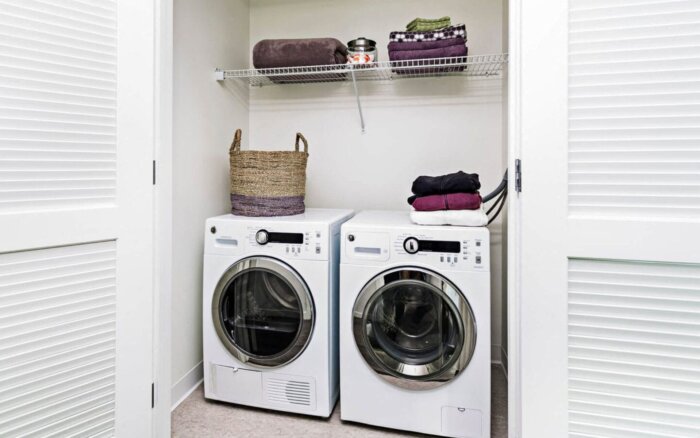
Laundry Access
Long trips become more complicated when laundry is difficult to access. In-unit or on-site laundry saves time, especially during extended assignments.
A Manageable Commute
Access to public transportation, parking, or a nearby office can shape the entire day. A shorter commute leaves more time to prepare, recharge, or explore the neighborhood.
Hotels vs extended-stay hotels vs corporate apartments
Most business travelers bounce between three main options. Each one serves a purpose, but each comes with tradeoffs.
Hotels
Hotels work well for quick trips and last-minute travel. They offer convenience, daily cleaning, and central locations, but they also compress everything into a single room, which makes long stays feel cramped and tiring.
Extended-stay hotels
Extended-stay hotels offer more space than standard hotels and often include small kitchenettes. They help for one to three-week visits, but the living space is still limited and laundry can be difficult to access.
Corporate apartments
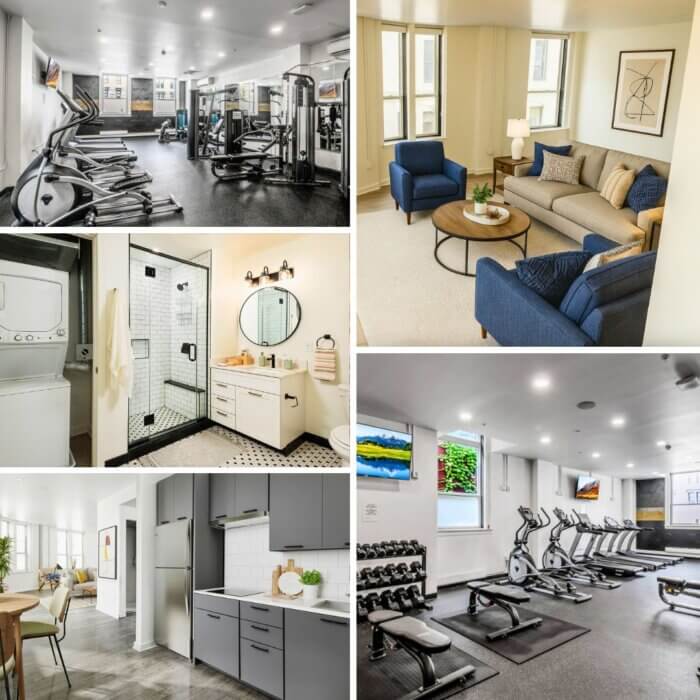
Corporate apartments provide real living space with full kitchens, bedrooms, laundry, and quiet rooms for work. They support longer stays, hybrid workdays, and anything that requires more stability.
When a Corporate Apartment Makes More Sense
Corporate housing becomes a clear choice for stays that last longer than a week or two. It is also helpful for travel patterns where routine matters.
Longer stays
Travelers on three to eight-week assignments often need more than a hotel room. A furnished apartment gives them space to settle into a flow.
Relocations
People moving for new roles need breathing room as they adjust to new schedules, schools, or commutes.
Onboarding periods
Employees in transition want a place to rest after long training days.
Client projects
Professionals who move between meetings, site visits, and remote work sessions benefit from quiet workspaces and predictable routines.
Medical rotations
Healthcare workers often choose corporate apartments because they need rest between long shifts.
The comfort comes from practical features that support real daily life. Full kitchens help people eat better. Large workstations support remote meetings. Private bedrooms protect sleep. In-unit laundry keeps routines simple.
One Compass guest stayed in a Stamford apartment during a six-week hospital rotation and talked about how the separate bedroom and quiet living room helped her decompress after twelve-hour shifts. This kind of stability shapes the whole experience.

How to choose the right accommodation for work
Not every work trip needs the same type of housing. These questions help narrow down the right fit.
- How long will you be away? A hotel may be enough for a quick visit, while a longer assignment may call for separate spaces to work, sleep, and eat.
- Will you work from the apartment? If you have remote meetings or hybrid workdays, look for reliable Wi-Fi and a real place to sit—not just the edge of a hotel bed.
- Will you cook? A full kitchen can make a long trip feel more normal and reduce the cost of eating out.
- How much privacy do you need? If quiet time matters after work, look for a layout that separates the bedroom from the living area.
- What will your commute look like? Check public transportation, parking, and the actual travel time to your office or client site.
- Could your dates change? Review extension, cancellation, and early-departure policies before booking
Comfort deal-breakers to check before booking
Travelers often discover problems only after they arrive, and these details can make a big difference.
Wi-Fi speed and router location
A fast connection matters, especially during video calls, remote meetings, or large file uploads. The router should sit close to the workspace so the signal stays strong all day. Many travelers say this single detail shapes how productive they feel on the road.
Noise policies
Ask about building rules and average noise levels so you know what to expect before you arrive. Quiet, residential properties help travelers sleep better and stay focused. This is especially important for those working early shifts or late-night hours.
Bed quality
A supportive bed affects sleep, which affects performance the next day. Business travelers often deal with long schedules, so proper rest makes a clear difference in mood and energy. Quality mattresses also help reduce discomfort during longer stays.
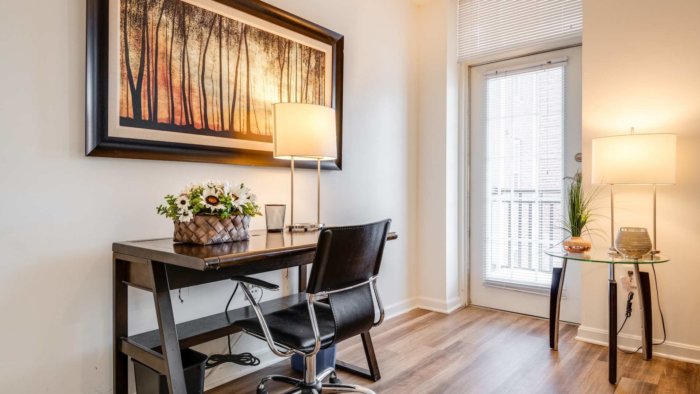
Desk space
A real desk makes long workdays smoother and helps remote meetings feel more professional. Working from a bed or a small side table leads to neck and back strain over time. A comfortable chair and proper lighting also support better focus.
Laundry
In-unit laundry helps travelers maintain routines with less stress and less wasted time. It removes the need to search for laundromats or rely on slow hotel machines. This is especially helpful during long assignments or medical rotations.
Late-night check-in
Some hotels struggle with after-hours arrivals, which can add stress at the end of a long travel day. Corporate housing teams often arrange simple self-check-in so guests can settle in at any hour. This helps late flights or delays feel less disruptive.
Hidden fees
Cleaning fees, parking fees, and occupancy taxes can add up quickly over longer stays. Transparent pricing helps companies and travelers plan accurately and prevents unexpected costs during reimbursement. Clear billing also makes extended stays easier to manage for HR and travel teams.
Why furnished corporate apartments improve work performance
The environment you stay in shapes your performance more than people expect.
Where you stay follows you into the workday. Poor sleep, a frustrating commute, or an unreliable internet connection can make an already demanding schedule feel even harder. A quiet bedroom, dependable Wi-Fi, and room to take a call will not do the work for you, but they can remove distractions that drain your time and energy.
Corporate apartments solve many of the issues that make hotel stays challenging. They offer separate rooms for work and rest, quiet surroundings, and the space needed to reset at the end of the day. Stable Wi-Fi supports remote work, and full kitchens help travelers maintain healthy habits.
At Compass, we see this every day.
Professionals in Boston choose furnished apartments near the Seaport because they can walk to meetings and return to a quiet space afterward. Travelers in Stamford and Norwalk value locations close to corporate offices and commuter lines. Teams working in Hartford choose apartments because the residential setups support better sleep. Medical travelers in New Haven rely on quiet spaces near hospitals where they can rest between rotations.
Comfort affects performance, and the right stay creates a strong foundation for a productive trip.
Book a comfortable work stay in MA, CT, or NY
Comfortable stays for business professionals start with space, privacy, and the ability to settle into a routine.
Compass Furnished Apartments offers move-in-ready apartments with kitchens, laundry, Wi-Fi, private living spaces, and flexible options that vary by location. Whether you’re planning an extended assignment, relocating an employee, or coordinating housing for a project team, we can help you find a stay that works with the realities of the trip.
Talk to our team to find housing for your next work trip.
About The Author

Lauren
Lauren, a passionate marketing professional from Vancouver, Canada, has an insatiable love for travel. Whether it’s camping off the grid in a secluded forest or enjoying the bustling streets of Manhattan, New York, she embraces every adventure with enthusiasm.