
This article was originally published in January 2026 and updated n July 2026 with current Boston itinerary ideas, neighborhood guidance, transportation tips, and extended-stay recommendations.*
Two weeks in Boston gives you something most shorter trips do not: Time.
Time to see the highlights without rushing, to slow down, to repeat favorite spots, and to settle into a rhythm that feels closer to living than visiting.
Boston works well for longer stays because it is compact, walkable, and well connected by public transit. And when you choose the right neighborhood and the right type of accommodation, two weeks feels natural instead of long.
This guide explains how to plan a two-week stay in Boston, what to prioritize each week, how to get around, and when a furnished apartment may make more sense than a hotel.
Two Weeks in Boston: The Amazing Plan
Two weeks gives you enough time to experience Boston’s major attractions without filling every day from morning to night. Spend the first week exploring Downtown, Beacon Hill, Back Bay, Fenway, the Waterfront, and the city’s museums. Use the second week for Cambridge, Charlestown, Salem, Lexington and Concord, plus a few slower days to revisit places you enjoyed.
Staying in a central neighborhood makes it easier to walk or use the MBTA for most daily plans. For a 14-day visit, a furnished apartment can also give you practical features such as a kitchen, laundry, additional living space, and a place to work. Availability, amenities, and minimum-stay requirements vary by property.
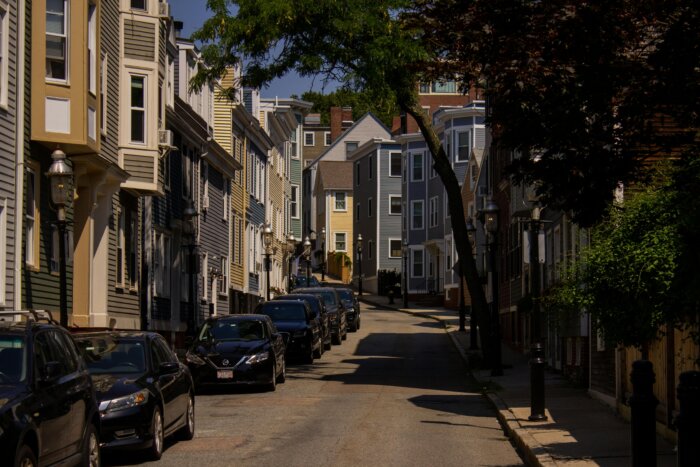
Is two weeks too long in Boston?
Two weeks is not too long in Boston if you pace it properly.
Many itineraries focus on two or three days, which often leads to packed schedules and surface-level experiences. With two weeks, you can explore Boston’s history, neighborhoods, museums, and food scene while still having downtime.
Longer stays also work well for business travel, medical stays, hybrid work trips, or extended visits with family. Boston’s size and walkability support a slower, more comfortable routine.
How to structure two weeks in Boston
Instead of planning every day in detail, it helps to divide your time into themes. This keeps your trip flexible and prevents burnout.
A simple structure works best.
Week one focuses on Boston itself. Neighborhoods, history, museums, waterfront, and food.
Week two expands outward. Nearby cities, quieter neighborhoods, and day trips that do not require constant packing and unpacking.
Leave space for rest days. In Boston, repeating a favorite walk or café often becomes a highlight.
Here is one way to turn that flexible structure into a realistic 14-day Boston itinerary. Move the days around based on the weather, seasonal schedules, and any advance reservations you need.
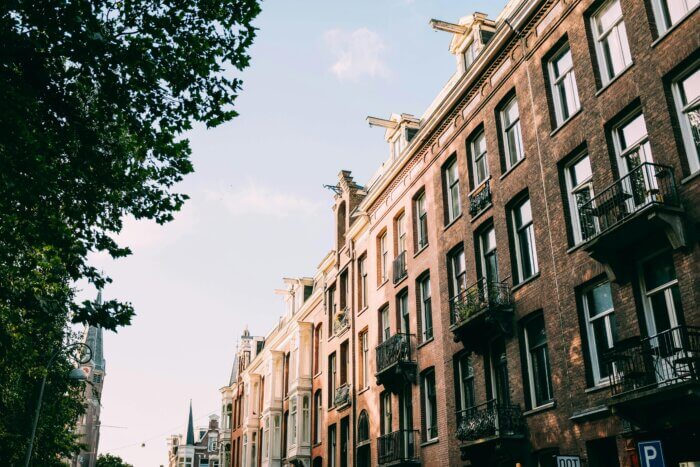
A realistic two week Boston itinerary overview
You do not need a rigid schedule, but having a loose outline helps guide your stay.
Week one: city immersion
Start with the essentials. Walk the Freedom Trail through downtown and the North End. Spend time in Boston Common and the Public Garden. Wander Beacon Hill and its residential streets.
Dedicate a few days to arts and culture. Visit the Museum of Fine Arts and the Isabella Stewart Gardner Museum. Explore the South End for galleries and restaurants.
Spend time along the waterfront. The Boston Tea Party Ships and Museum, the New England Aquarium, and long walks through the Seaport all fit naturally together.
Round out the week with sports and shopping. Tour Fenway Park or attend a game if it is in season. Walk through Back Bay, Newbury Street, and Copley Place.

Week two: beyond Downtown
Use the second week to expand your radius.
Spend time in Cambridge exploring Harvard University, Harvard Square, and the Charles River paths. Visit MIT and nearby museums.
Plan a day trip to Salem for history and waterfront walks. Another day works well for Lexington and Concord, where Revolutionary War sites feel calm and uncrowded.
Explore Charlestown for the USS Constitution and harbor views. Save a few open days to revisit favorite neighborhoods, relax in a park, or explore places like Somerville.

Getting around Boston during a two week stay
Many central Boston neighborhoods are easy to explore on foot, but a two-week stay will probably include a few trips beyond walking distance. The MBTA—usually called the T—connects Downtown, Back Bay, Fenway, Cambridge, and other parts of the area.
Depending on how often you plan to ride, a 1-Day or 7-Day LinkPass may be useful. Compare current prices, coverage, and purchasing options on the official MBTA fares page before your trip.
You may not need a car for everyday sightseeing if you stay in a central neighborhood. For Salem, Lexington and Concord, or other day trips, compare commuter rail, guided tours, rideshare, and rental-car options based on the route and your schedule.
Remember that Boston’s weather can affect walking plans. Comfortable shoes, a light rain layer, and some flexibility will make longer sightseeing days much easier.
Where to stay for two weeks in Boston
Choosing where to stay matters more on longer trips.
Central neighborhoods reduce daily travel time and make walking part of your routine rather than a chore. Over two weeks, quiet streets, grocery access, and nearby cafés become important.
Back Bay works well for first-time visitors and longer stays because everything sits close together. It offers dining, shopping, parks, and transit access.
The South End suits travelers who want a residential feel with easy access to downtown and strong food options.
The Seaport appeals to travelers who prefer newer buildings, waterfront walks, and space to work or unwind.
Fenway-Kenmore works well for medical stays, visiting academics, and anyone spending time near hospitals or universities.

Hotels vs furnished apartments for a two week Boston trip
The difference between a hotel and a furnished apartment often becomes clearer after the first few days.
Hotels can work well when you want daily housekeeping, on-site services, and a room in a highly central location. Over two weeks, however, limited storage, a small workspace, and the lack of a full kitchen or private laundry may become inconvenient.
Furnished apartments provide more separation between sleeping, working, and relaxing. A kitchen gives you more control over meals, while laundry access can help you pack less. The additional space can also be useful for hybrid workers, relocating professionals, medical travelers, and families accompanying a patient.
| Consideration | Hotel | Furnished apartment |
|---|---|---|
| Living space | Usually one room | Separate living, sleeping, and working areas may be available |
| Meals | Restaurants, takeout, or limited kitchenette | Full kitchen in many apartments |
| Laundry | On-site or paid service | In-unit or building laundry may be available |
| Housekeeping | Often daily or scheduled | Frequency varies by provider and stay |
| Workspace | Usually a small desk | More room for remote or hybrid work |
| Best fit | Short visits and service-focused stays | Longer visits that benefit from additional space and everyday amenities |
A furnished apartment is not automatically less expensive than a hotel. For an accurate comparison, look at the total accommodation price as well as taxes, parking, meals, laundry, and included services.

Why a furnished apartment makes sense for two weeks
Two weeks is long enough to create routines.
You wake up, walk the same route, find a favorite coffee shop, and settle into work or sightseeing without constant planning. A furnished apartment supports this rhythm in a way hotels do not.
Compass Furnished Apartments offers move-in-ready accommodations in and around Boston for business travel, relocations, medical visits, and other extended stays. Depending on the property, guests may have access to a full kitchen, laundry, Wi-Fi, separate living space, and utilities included in the rate.
Availability, amenities, and minimum-stay requirements vary by location and reason for travel, so it helps to speak with the Compass team before choosing a property. The goal is to find a stay that fits both your schedule and the part of Boston you need to reach most often.

FAQs about Boston Itineraries
How many days should you spend in Boston?
Most travelers find that five to seven days is enough to see Boston’s main highlights without feeling rushed. If you have the time, spending closer to two weeks in Boston allows for deeper neighborhood exploration, slower days, and easy day trips outside the city.
What is the 5 or more rule in Boston?
The 5 or more rule in Boston reflects how the city opens up once you stay longer than a typical long weekend. With five days or more, you can revisit favorite neighborhoods, explore quieter areas, and settle into a daily rhythm instead of moving sight to sight.
What is the number one attraction in Boston?
The number one attraction in Boston is the Freedom Trail, especially for first-time visitors. This walkable route connects major historic sites and neighborhoods, making it an easy way to understand the city’s layout and history.
What is the best month to go to Boston?
Many people consider September and October the best months to go to Boston thanks to cooler temperatures and comfortable walking weather. June through October also works well overall, with summer offering longer days and fall bringing fewer crowds and crisp air.
Can you spend two weeks in Boston without a car?
Yes. Travelers staying in a central neighborhood can complete many everyday trips by walking or using the MBTA. A car may be helpful for certain destinations outside the city, but parking costs and traffic can also make it less convenient. Compare transportation options separately for each day trip.

Plan your two-week stay in Boston
Two weeks in Boston gives you the chance to experience the city without rushing. When you choose the right neighborhood and the right type of stay, Boston feels easy, walkable, and livable.
If you’re planning a longer trip, explore Compass Furnished Apartments in Boston or speak with a housing specialist to find a place that fits your schedule and style.
About The Author

Lauren
Lauren, a passionate marketing professional from Vancouver, Canada, has an insatiable love for travel. Whether it’s camping off the grid in a secluded forest or enjoying the bustling streets of Manhattan, New York, she embraces every adventure with enthusiasm.