
Boston is one of the easiest major U.S. cities to explore on foot.
Neighborhoods sit close together, streets follow historic paths, and many of the places visitors want to see live within a compact area.
When you stay in the right part of the city, walking replaces taxis, schedules feel lighter, and days flow more smoothly.
The key is choosing a neighborhood that matches how long you are staying and how you plan to spend your time. A hotel works for some trips, while a furnished apartment works better for others.
This guide breaks down where to stay in Boston if you want to walk most places, with clear advice for first-time visitors, longer stays, and work travel.

Why walkability matters in Boston
Boston was built before cars.
Its streets curve, blocks stay short, and neighborhoods connect naturally. Many major attractions, offices, hospitals, restaurants, and parks sit within one to two miles of each other.
When you stay somewhere walkable, daily logistics get easier. You step outside and start your day instead of planning transit, meals feel spontaneous, and your errands take minutes, not hours. Over longer stays, this makes a real difference in how the city feels.
Walkability matters even more if you plan to work part of your trip, stay for more than a few nights, or want a routine that feels normal instead of rushed.
The most walkable neighborhoods to stay in Boston
Several Boston neighborhoods stand out for their walkability. Each offers a different pace and personality, so the best choice depends on what you want nearby and how long you plan to stay.
Back Bay
Back Bay sits near the center of the city and works well for both first-time visitors and business travelers. Newbury Street shopping, restaurants, parks, and transit hubs all sit within easy walking distance. The area feels polished, active, and convenient from morning through evening.
Beacon Hill
Beacon Hill give you a quieter, historic feel. Cobblestone streets, gas lamps, and small cafés define the neighborhood. Downtown sights sit close by, but evenings stay calm. This area suits travelers who want charm and walkability without heavy foot traffic.
North End
North End is compact, lively, and food-focused. Italian restaurants, bakeries, historic sites, and the waterfront sit close together. Streets stay busy, especially in the evenings, which many visitors enjoy. The neighborhood works well for shorter stays and travelers who plan to explore mostly on foot.
Downtown
Downtown Boston places you close to offices, the Freedom Trail, shopping, and transit connections. It feels busy during the workday and quieter at night. Many hotels cluster here, making it convenient for short business trips and conferences.
South End
South End blends residential streets with a strong dining and arts scene. Brownstones line wide sidewalks, and walking to downtown or Back Bay feels easy. This area suits longer stays and travelers who want space without giving up access.
Seaport District
Seaport District feels newer and more open, with wide paths and waterfront walks. Distances between destinations run longer, but streets stay flat and easy to navigate. The area works well for extended stays, remote work, and travelers who like modern buildings and open views.
Where to stay in Boston on your first trip
If this is your first visit, location matters more than style. Staying central saves you planning time and reduces any backtracking.
Back Bay and Downtown offer the easiest starting point. You can walk to many attractions, reach transit quickly, and learn the city layout without effort. For shorter trips packed with sightseeing, hotels often work well here.
If your first visit lasts longer than a week or mixes work with leisure, a furnished apartment gives more breathing room. Separate living space, a kitchen, and quiet evenings can help the city feel manageable rather than overwhelming.
Hotels vs furnished apartments in Boston
Choosing between a hotel and a furnished apartment depends less on budget and more on how you plan to live during your stay.
Hotels work best when your trip is short, days stay full, and your room functions mainly as a place to sleep. Housekeeping, front desk support, and central locations suit fast-paced visits.
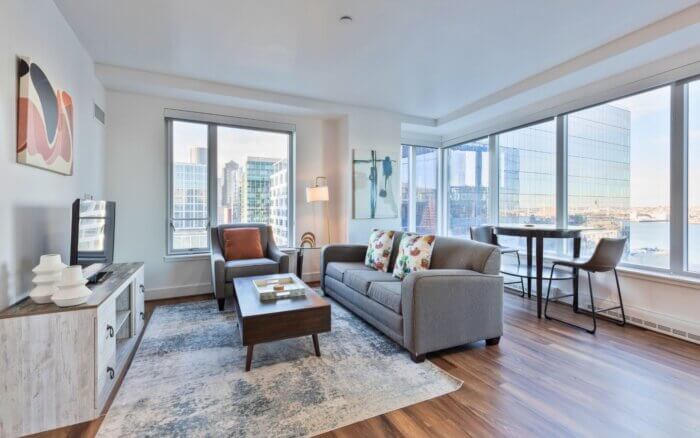
Furnished apartments work better for longer stays, work travel, medical visits, or trips where routine matters. You gain space to work, cook, relax, and host without living out of a suitcase. Over time, this changes how the city feels.
Over a two- to four-week stay, apartments often cost less per night than hotels, especially in walkable neighborhoods where convenience drives demand.
Where Compass furnished apartments fit best in Boston
At Compass, we focus on neighborhoods where walkability supports your daily life, not only sightseeing.
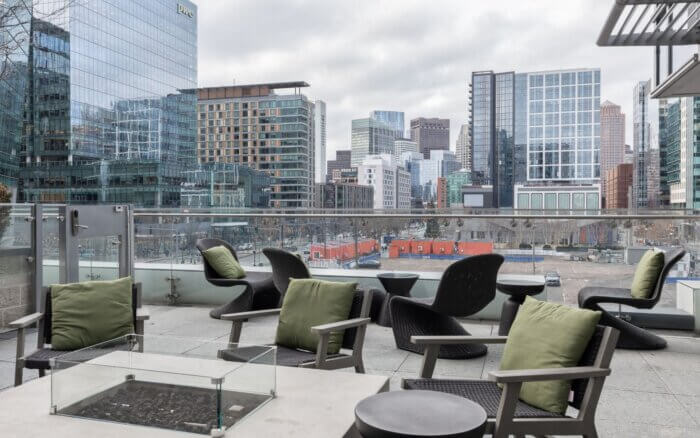
Many Compass properties sit in the North End, Back Bay, Fenway-Kenmore, and Seaport. These locations place our guests close to hospitals, universities, offices, and everyday services while keeping walking realistic.
Our guests often choose Compass when they need housing beyond a few nights but still want to live centrally.
You can explore our current availability on the Compass Boston locations page and see which neighborhoods align with your stay length and priorities.
Choosing the right area based on your trip type
Different trips benefit from different neighborhoods.
Business travel
Back Bay, Downtown, and Seaport keep offices, dining, and transit within walking distance. Apartments work well when your workdays extend beyond meetings.
Medical stays
Neighborhoods near major hospitals, like Back Bay, Fenway-Kenmore, and the South End, will reduce your daily stress and travel time. Quiet streets matter over longer visits.
Extended leisure stays
The South End and North End offer strong neighborhood character with walkable access to daily needs. Our apartments here support a slower pace.
Remote or hybrid work trips
Seaport and Back Bay provide space, reliable infrastructure, and easy walks between work blocks and downtime.
How to decide if walking everywhere works for your stay
Boston supports walking year-round, but comfort changes by season.
Winters bring cold temperatures and snow, while summers bring heat and humidity. Choosing a neighborhood with nearby services reduces long walks when weather shifts.
Consider how far you enjoy walking daily, whether you prefer quiet or activity, and how often you plan to cook or work from home. Walkability feels different on day three than on day twenty.
FAQs about Where to Stay in Boston
What is the best area in Boston to stay in?
Back Bay often ranks as the best all-around option as the best area in Boston to stay in.
It balances walkability, dining, shopping, transit access, and neighborhood feel, which suits both first-time and repeat visitors.
What is the most walkable area to stay in Boston?
Downtown, Back Bay, and the North End offer the highest concentration of walkable attractions in Boston. Most of your daily needs (coffee, groceries, shopping, medical centers, etc) sit close together, which reduces reliance on transit.
Where to stay in Boston on your first trip?
Staying in Back Bay or Downtown will keep your planning simple and place you close to major sights. These areas help first-time visitors learn the city quickly.
What are the cool neighborhoods in Boston?
Boston is full of cool neighbourhoods depending on your vibe—the South End and Seaport stand out for food, arts, and modern energy, while the North End stays popular for its historic character and dining scene.

Finding the right place to stay in Boston starts with understanding how you want to move through the city.
Walkability shapes your experience more than any single attraction, and whether you choose a hotel for a short visit or a furnished apartment for a longer stay, the right neighborhood turns Boston into a place you live in, not simply pass through.
If you want help choosing a walkable neighborhood that fits your stay, explore Compass Furnished Apartments in Boston or speak with a housing specialist who knows the city block by block.
About The Author

Lauren
Lauren, a passionate marketing professional from Vancouver, Canada, has an insatiable love for travel. Whether it’s camping off the grid in a secluded forest or enjoying the bustling streets of Manhattan, New York, she embraces every adventure with enthusiasm.